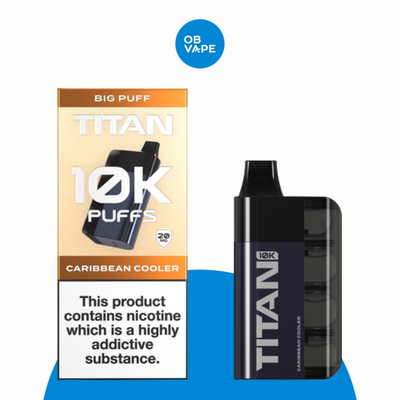
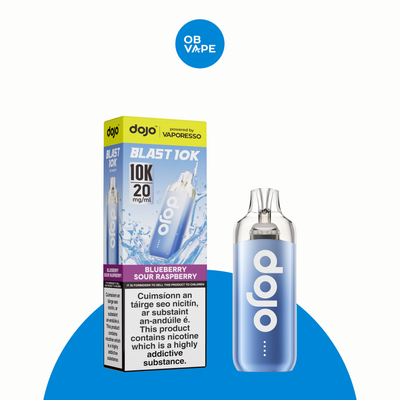
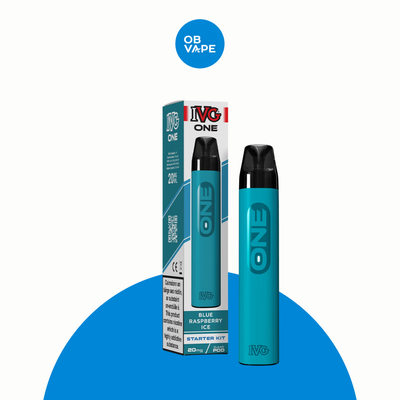
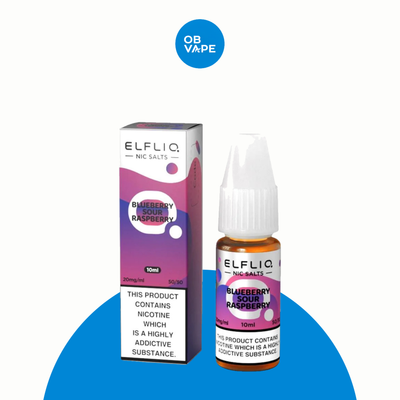
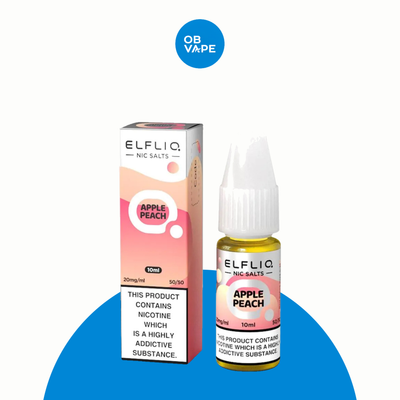
Some adults consider vaping while moving away from cigarettes, but the HSE does not recommend vaping as a stop-smoking aid. Its recommended route is professional support plus licensed stop-smoking medicines. If an adult already chooses to switch, the useful aim is to stop smoking completely rather than maintain both habits.
The First Few Days
Cravings and nicotine withdrawal can include irritability, restlessness, headaches, low mood or difficulty concentrating. A vape also feels different from a cigarette: the draw, timing and nicotine delivery are not identical.
Expect a Learning Curve
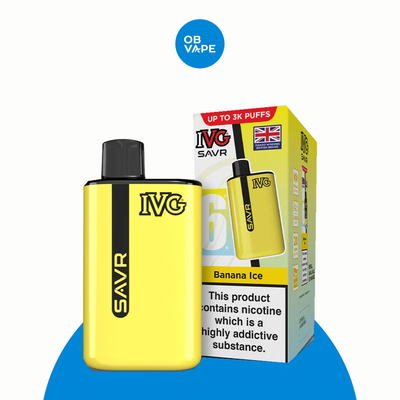
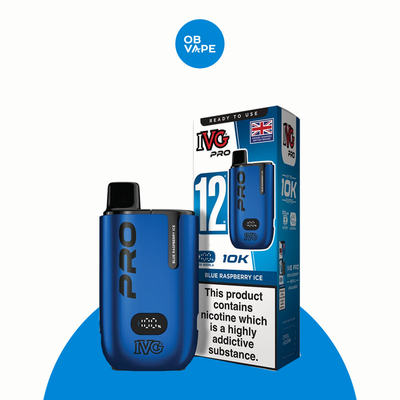
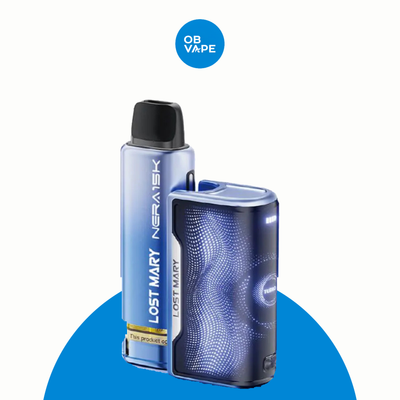
Refillable devices need charging, suitable e-liquid and compatible pods or coils. Start with a simple mouth-to-lung setup, follow the instructions and allow a new filled pod time to soak before use. Nobody is born knowing which tiny rubber flap is the fill port.
Avoid Dual Use Becoming Permanent
Continuing to smoke while vaping can keep exposure to tobacco smoke and add a second ongoing cost. If cigarettes remain part of the routine, talk to a stop-smoking adviser about a clearer plan.
Watch the Nicotine Strength
Too little may leave cravings unmanaged; too much may cause nausea, dizziness or a racing heartbeat. Device power affects how a liquid feels, so do not treat the number on the bottle in isolation.
Browse beginner vape kits · Browse e-liquid · Find replacement pods
Responsible-use note: Vaping and nicotine products are for adults aged 18 and over. Nicotine is addictive. Vaping is not harm-free, and people who do not smoke or use nicotine should not start.
For quitting support, the HSE recommends speaking with a stop-smoking adviser, GP or pharmacist and using licensed stop-smoking medicines. Read the HSE guidance on vaping and nicotine.
The Bottom Line
If the goal is to quit smoking, use HSE support and licensed treatments. If you already choose to vape, keep the setup simple, aim to leave cigarettes behind and avoid turning one habit into a two-subscription bundle.
Latest posts